Right, let’s get one thing straight before we dive into the weeds: I have been staring at spreadsheets for three weeks straight trying to figure out if the Energy Company Obligation (ECO4) is a goldmine or a bureaucratic headache. If you’re like me, you’ve spent your evenings watching the smart meter tick over while wondering why your energy bill is still hovering at levels that make your bank balance weep.
As we edge into 2026, the energy price cap is still the shadow hanging over every family kitchen table. We’re all trying to figure out how to stop leaking cash through the walls and the roof. You’ve likely seen the ads—"Free solar panels!" or "Government-funded heat pumps!"—and if you’re anything like me, your "scam radar" started pinging immediately. Let’s cut through the marketing fluff and look at what ECO4 actually offers, how it works, and whether it’s worth the hassle.
What is the ECO4 Scheme, in Plain English?
Forget the jargon. ECO4 is basically a legal requirement for the big energy suppliers to help "vulnerable" households and those in low-energy-efficiency homes improve their insulation and heating. The government forces them to spend a certain amount of money on upgrades. They don’t do it out of the goodness of their hearts; they do it because they’re legally solar panels and heat pump combo obligated to. That’s why you get the phone calls.
Crucially, it isn’t just for people on benefits anymore. The "Help to Heat" group expanded significantly, and local authorities now have more power to identify households that qualify. But before you get excited, remember: it’s not a blank check. It’s a "whole-house approach." They aren't just going to slap a solar panel on your roof if your loft is currently insulated with little more than hope and a layer of dust.

The ECO4 Trifecta: Insulation, Heat Pumps, and Solar
You asked the question: does it cover all three? The answer is a frustrating "it depends," but usually, it’s a "yes, but in a specific order."
1. ECO4 Insulation: The Foundation
If your home has an EPC (Energy Performance Certificate) rating of D, E, F, or G, the scheme usually insists you fix your insulation first. This is the bit I actually agree with. Installing an ECO4 heat pump into a drafty house is like trying to heat a tent with a hairdryer. You’re just burning money. You’ll likely be looking at:
- Loft insulation Cavity wall insulation Underfloor insulation
2. ECO4 Heat Pumps: The Heavy Lifter
Once your house is properly wrapped up, the scheme might look at your heating system. Yes, an ECO4 heat pump is a major part of the scheme. They want to move away from gas boilers. But—and this is a big "but"—make sure the installer is MCS (Microgeneration Certification Scheme) certified. If you see a company promising the earth but they aren't MCS registered, walk away. Immediately. No exceptions.
3. ECO4 Solar Panels: The Optional Extra
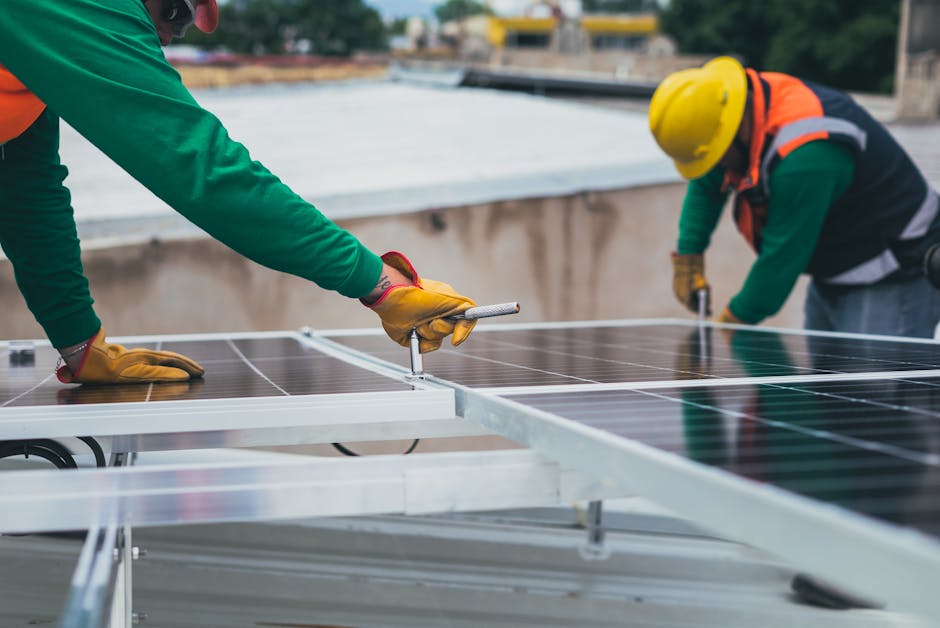
Here is where people get confused. ECO4 solar panels are often treated as a "bonus" measure. They usually only get installed if the property is already quite energy-efficient or if the primary heating/insulation upgrades have been handled. You generally won't get solar panels if your walls are cold enough to keep a pint of milk fresh.
Real-World Costs and the 2026 Price Cap Context
Look at the table below. I’ve put together some ballpark figures based on the current market. These aren't government figures; these are "what a plumber actually quoted me" figures.
Measure Typical Cost (Private) ECO4 Potential Insulation (Loft/Cavity) £1,000 - £3,000 Often Fully Funded Air Source Heat Pump £10,000 - £14,000 Often Subsidised/Funded Solar PV (3-4kW system) £6,000 - £9,000 Highly VariableRemember that the 2026 price cap is still based on the assumption that you’re using a standard amount of grid electricity. If you install solar panels and a battery (which you should, if you’re doing solar), you’re effectively opting out of some of that grid dependency. You aren't just saving money; you’re buying yourself insurance against future price hikes.
The VAT Advantage: A Rare Win
One bit of good news: the government currently has a 0% VAT rate on the installation of energy-saving materials in residential properties. This is huge. It applies whether you go through ECO4 or if you hire a firm like YEERS or similar private installers to do the work yourself. It makes the upfront cost of private installation significantly cheaper than it was five years ago. When comparing quotes, always check: "Is this price including the zero-rated VAT?" If they quote you VAT on top, they’re either out of date or trying to pull a fast one.
Electricity Generation: Let’s Talk kWh
This is where I get annoyed by marketing brochures. They’ll tell you, "Save 50% on your bills!" without telling you how many kWh they assume you use. A 4kWp solar system in the UK—assuming your roof isn’t facing North and covered in trees—will produce roughly 3,200 to 3,600 kWh per year.
My family uses about 4,000 kWh a year. If I generate 3,500 kWh, that sounds great, right? Wrong. That assumes I use every bit of it the second it’s generated. If I’m at work and the kids are at school, that power goes back to the grid for pennies. If you are doing this under ECO4, ask the installer for a "consumption simulation." If they can’t show you a graph of production versus typical daily usage, they haven’t done their homework.
How to Deal with Installers (And Avoid the Hard Sell)
I’ve sat through enough sales pitches to write a book on them. Here is my "Dad-Approved" checklist for when the installer turns up:
Ask about MCS accreditation: If they hesitate, show them the door. It’s the baseline requirement for quality and government compliance. Request a "Whole House" plan: Don't let them talk you into solar if your heat loss is atrocious. Ask: "What is my current EPC, and what will it be after these measures?" Don't feel pressured by "Limited Time Offers": ECO4 has been running for years. If they tell you the scheme is closing "this Friday," they are lying to get you to sign a contract. Check the fine print on "Free": Usually, "free" means the energy supplier pays for it in exchange for the carbon credits. That's fine, but ask what the ongoing maintenance responsibility is.Is It Worth It? My Verdict
If you qualify for ECO4, it is a hell of a deal. Getting thousands of pounds worth of insulation and heat pump hardware for free (or heavily subsidised) is a genuine win in the middle of a cost-of-living crisis. However, do not go into this thinking it’s a "set and forget" silver bullet.
If you're looking for a private installer, do your research. Companies like YEERS have been navigating the retrofitting space for a while, and you want someone who actually understands the building physics—not just a salesman who knows how to fill out a grant form.
Keep your smart meter in check, watch your kWh usage, and don’t let anyone talk you into a heat pump that isn't sized correctly for your radiators. If the numbers don't add up on the quote, the system won't add up on your energy bill. Stay skeptical, stay informed, and keep an eye on that thermostat.
Disclaimer: I’m a dad, not an energy consultant. I write about what I’ve learned while trying to keep my own heating bills from spiraling. Always check the official GOV.UK resources for the latest eligibility requirements for ECO4 before signing anything.