I’ve spent the last decade reviewing deal automated payments storage memos across the UK, from the M25 ring to the industrial estates of the North West. I started my career in facilities management—boots on the ground, fixing shutter doors in the rain—before moving into analysis. When I look at an occupancy pack, I don't just see percentage points. I see broken trolleys, poorly lit corridors, and customer frustration.
The UK self-storage sector has seen incredible growth over the last decade. Between urbanization squeezing our square footage and the explosion of e-commerce, the demand for flexible space is real. But let’s cut the "recession-proof" nonsense. Nothing is recession-proof. If you overleverage or ignore the basics, you will lose tenants.
Before we dive into why occupancy drops, I have to ask: What is the local competition within a 10-minute drive of your site? If you don't know the answer, you’re already behind.
The Structural Drivers of Demand
We are a nation of hoarders with nowhere to put our things. As we see in data often parsed by Markets Insider and FinanceWire, the "shrinking home" phenomenon isn't going away. New build apartments in commuter towns are smaller than ever. When people can’t fit a desk or a hobby in their spare room, they look for storage.
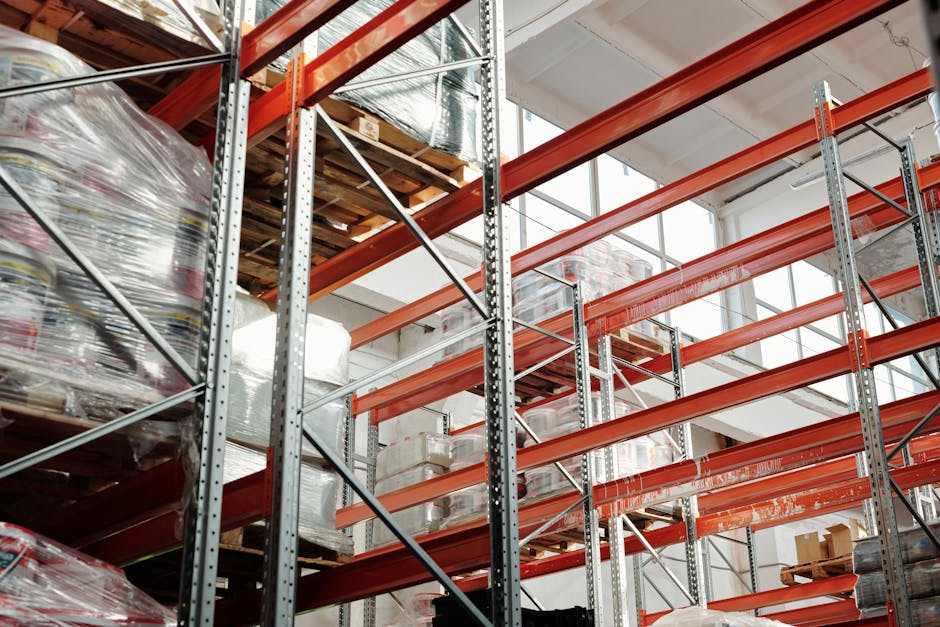

Beyond household demand, the rise of the "micro-business" has changed the game. E-commerce sellers need inventory space. Tradies need a place to drop their heavy tools before heading home to a city flat. This creates a recurring revenue model that, in theory, reduces concentration risk. However, recurring revenue is only as stable as the customer’s experience.
The Triple Threat to Occupancy
When I see a site’s occupancy numbers start to slide, it’s rarely a mystery. It usually comes down to three specific failures. If you ignore these, no amount of marketing spend will save your occupancy rates.
1. Local Competition Storage Impact
Too many operators rely on national averages to set their rates. Your market is not the UK; your market is the 10-minute drive zone. If a new competitor opens up down the road with modern, climate-controlled units and a better sign, your customers will migrate. Price isn't the only lever they pull; it's the convenience and the "feel" of the facility.
2. Poor Accessibility Storage Facility
If your site has poor accessibility, you’ve lost. I’ve toured sites where the roller shutter is too narrow for a transit van, or the loading bay is perpetually blocked by the manager’s car. If a customer struggles to move their goods in, they won’t stay long. They’ll find a facility where they can pull right up to the door. Accessibility isn't an amenity; it's the product.
3. Weak Demand Area Storage
Sometimes the issue is location. You can’t manufacture demand in a weak demand area. If the industrial estate has high vacancy in other units, or if the local demographic isn't pivoting toward e-commerce or housing density, you are fighting gravity. Don't fall in love with a site that the local economy has outgrown.
The "Hidden Costs" Operators Ignore
I keep a running list of items that never make it into the glossy pitch decks but always eat into the bottom line. If you’re tracking occupancy, you have to track these costs, or you’ll be blindsided by margin compression.
- Lighting and Climate Control: Sensors fail. Electricity bills spike. Customers notice when it’s freezing or pitch black. Bad Debt Provision: If your collections process is weak, you lose occupancy through forced evictions. Site Maintenance: A rusty gate sends a signal that your security is as weak as your maintenance. Staffing Transitions: High turnover in site staff leads to poor service, which leads to move-outs. Pest Control: You can't hide a mouse problem. Once word gets out in the local area, your reputation is toast.
Modernizing the Experience
In the past, customers were happy with a padlock and a physical key. Today, they expect digital infrastructure. Tools like online reservations and contactless access aren't just "nice to have" gimmicks; they are essential for capturing the modern customer.
If I have to call your office to book a unit, I’m calling the competitor who lets me do it on my phone in 30 seconds. Operators like Optima Self Store have understood that the friction points in the customer journey are where you lose your occupancy. By removing the need for human interaction during the move-in process, you lower your operational overhead and increase your conversion rates.
Warning Signs of Declining Occupancy
As an analyst, I look for "leading indicators" before the occupancy numbers hit the red. If I see these, I know trouble is coming.
Indicator The Operational Reality The Financial Impact Increased "Move-Out" velocity Customers complaining about gate access issues Immediate revenue loss Rising late payments Inconsistent billing systems Increased bad debt provision Low Online Reservations Outdated website or mobile experience Higher Customer Acquisition Cost (CAC) Neglected Common Areas Staff prioritizing admin over cleaning Brand degradationWhat Are You Actually Selling?
Stop thinking you’re in the real estate business. You are in the service business. Every time a customer walks through those doors, they are measuring you against their expectations of efficiency and safety. If your site feels like a bunker from the 1980s, don’t blame the economy when occupancy drops.
The "recession-proof" myth is a dangerous one. It encourages laziness. It tells investors they don't need to worry about the actual local competition storage impact or the poor accessibility storage facility issues because "people always need space." That’s a lie. People need space, but they don't need *your* space if it’s inconvenient, expensive, and dark.
Final Advice for Site Managers
Walk your site once a day. Not just your office, but the furthest unit in the back corner. If a light is out, fix it. If a door is sticky, oil it. Check your competitor’s website. If they offer a better digital journey than you, your occupancy will eventually follow their lead. Understand your local catchment area. If the housing market in your immediate vicinity slows down, find out who the new target audience is—tradies? Small retailers?The UK self-storage market is maturing. The days of "build it and they will come" are over. We’re moving into an era of operational excellence. If you focus on the daily experience and keep your eye on the local competition, you’ll find that occupancy becomes a much more predictable metric.
Now, go out and drive that 10-minute radius. You might be surprised by what you find.